System: Sega Master System
Release date: 1988
Post Contents:
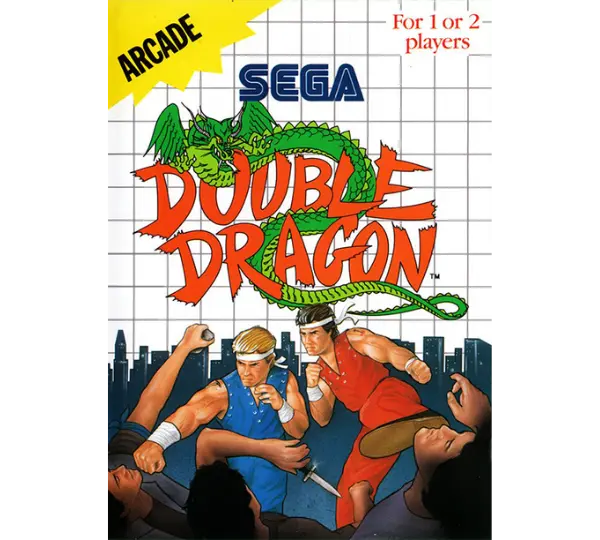
ToggleDouble Dragon on the Sega Master System is the port that had absolutely no right to be as playable as it turned out – and yet here we are.
This Double Dragon title took Technos Japan’s legendary 1987 beat-em-up – the one that defined a genre, invented co-op brawling as a mainstream concept, and kept arcades roaring with the sound of punches and chains – and squeezed it onto Sega’s 8-bit home console. Billy Lee is after the Black Warriors. Marian’s been kidnapped. The streets of the Bronx are not safe. Standard Tuesday, really. In 2026, does this Double Dragon Master System version of a genuine arcade classic still land its punches, or has it finally been knocked down for the count?
Gameplay: Fists First, Questions Later
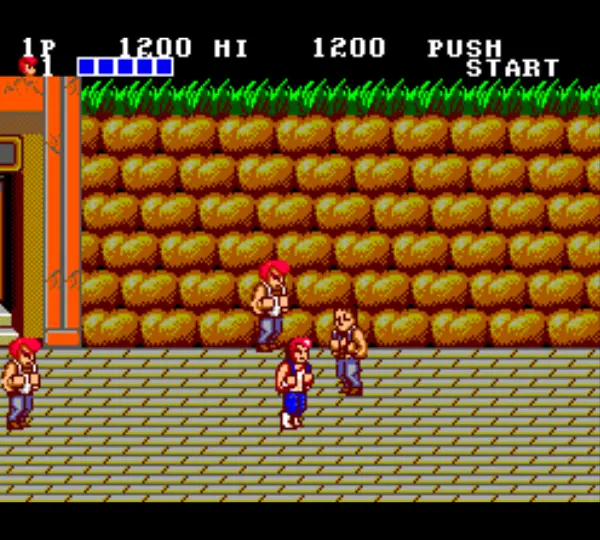
Double Dragon on the Master System is a side-scrolling beat-em-up that follows the structure of the arcade original across four missions – street brawling through urban decay, construction sites, a forest, and the Black Warriors’ hideout. Billy Lee works through waves of enemies using punches, kicks, headbutts, elbows, and the weapons dropped by fallen opponents – knives, baseball bats, whips, and the satisfying heft of a steel oil drum.
The controls translate reasonably well to the Master System joypad. The jump kick and elbow strike feel responsive, the weapon-grabbing mechanic works cleanly, and the basic flow of the original – read the crowd, prioritise threats, use the environment – carries across to the home version with enough fidelity to feel like Double Dragon rather than a pale imitation of it.
Enemy variety is decent for the hardware – Williams, Linda, Abobo and the rest of the Black Warriors’ roster all make appearances, and the later missions layer in enough new threats to maintain momentum. Boss encounters require patience and positioning rather than simply button mashing, which gives the combat more depth than the genre’s reputation sometimes suggests.
The Black Warriors’ Backup? Double Dragon on the Master System is a one-player only affair – the co-op that made the arcade version an event has been stripped entirely, which is the single biggest blow the port takes. The reduced screen estate compresses the action in ways that occasionally make enemy positioning hard to read, and some of the sprite-heavy moments produce slowdown that interrupts the otherwise brisk pace. Mission four difficulty spikes hard and the final boss requires a very specific approach that the game doesn’t telegraph particularly well. Limited lives and a punishing continue system mean a bad run in the later stages involves significant backtracking through territory already cleared.
Graphics: Punchy Pixels That Get the Job Done
For 8-bit hardware the Master System version looks solid throughout. Billy Lee moves with enough animation frames to communicate his moves clearly, enemy designs are recognisable from the arcade, and the environments – grimy streets, construction scaffolding, jungle paths – are rendered with enough detail to establish a sense of place rather than simply a flat backdrop.
The colour palette is brighter than the arcade’s grittier tones, which gives the Master System version a slightly different visual feel, but the sprite work is clean and the action is readable even when the screen fills. A competent piece of 8-bit conversion work that clearly understood what the game needed to look like.
Sound: That Theme, Doing Its Best
The Double Dragon theme is one of gaming’s great pieces of action music and the Master System gives it a decent outing. The conversion isn’t quite the arcade’s full-blooded rendition, but it’s recognisable, energetic, and sets the right tone from the title screen onwards.
Sound effects throughout are punchy and satisfying – impacts land with appropriate weight, weapon pickups register cleanly, and the audio feedback from combat keeps the action feeling responsive. The FM sound chip gives this version a noticeably richer audio texture than the NES port, which is one area where Sega’s hardware genuinely had the edge.
Replayability: Short, Sharp, and Worth Revisiting
The four-mission structure means this is not a long game – a confident player who knows the enemy patterns can see the credits in under an hour. What brings players back is score chasing, the challenge of completing later missions without burning through continues, and the simple satisfaction of a beat-em-up that controls well enough to make replays feel rewarding rather than repetitive.
The absence of co-op is the honest limitation – this is a game designed to be experienced with a second player, and the solo experience, while solid, lacks the chaos and shared triumph that made the arcade version such an event.
The Retro Looney Verdict
Double Dragon on the Master System is a better port than it strictly needed to be. The core gameplay survives the conversion in reasonable shape, the controls work, and the four-mission structure gives you a proper Double Dragon experience rather than a token approximation of one.
The missing co-op is a genuine wound that never quite heals, and the difficulty spikes in mission four will end promising runs without much sympathy. None of that stops this Double Dragon Master System port being a solid and worthwhile piece of beat-em-up action that deserves its place on the system. Get your elbow in, watch for Abobo, and whatever you do – don’t let Linda steal your baseball bat.
Don’t forget to check out my other Master System Reviews!

Media