System: Commodore 64
Release date: 1985
Post Contents:
ToggleThe Bard’s Tale on the Commodore 64 is the game that looked you square in the eye, handed you a party of adventurers, and said “good luck – you’re going to need it.”
This The Bard’s Tale title marched home computer gaming headlong into serious dungeon-crawling territory and didn’t look back. The cursed, storm-lashed town of Skara Brae is your starting point, your refuge, and occasionally your morgue. Monsters roam freely, resources are precious, and one genuinely bad decision can end careers that took hours to build. In 2025, does this Bard’s Tale C64 classic still command respect, or has the dungeon finally gone dark?
Gameplay: Swords, Spells, and Skara Brae
The Bard’s Tale on the Commodore 64 hands you a party of up to six adventurers and points you toward a multi-level dungeon that has absolutely no interest in going easy on you. Warriors and paladins absorb the punishment up front, rogues and monks work the flanks, spellcasters manage the magical artillery, and the bard – easily underestimated, frequently essential – strums magical songs that can swing a fight before the first sword is drawn.
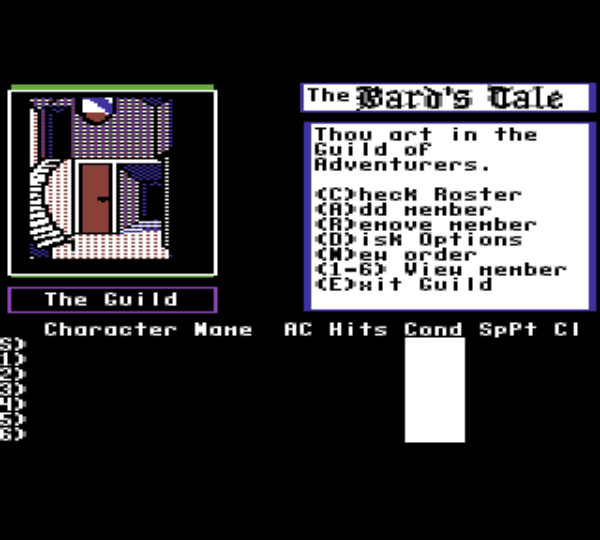
Exploration is first-person and grid-based, moving one deliberate step at a time through corridors that grow increasingly hostile the further you push from Skara Brae’s relative safety. Town provides your guilds, your shops, and your only real breathing room. Beyond its walls the world is unforgiving and random encounters arrive constantly and without warning.
Combat is turn-based and properly considered – steel, spells, or song, and the right choice matters enormously depending on what’s in front of you. Building a party that covers every eventuality is half the game before you’ve even entered the first dungeon.
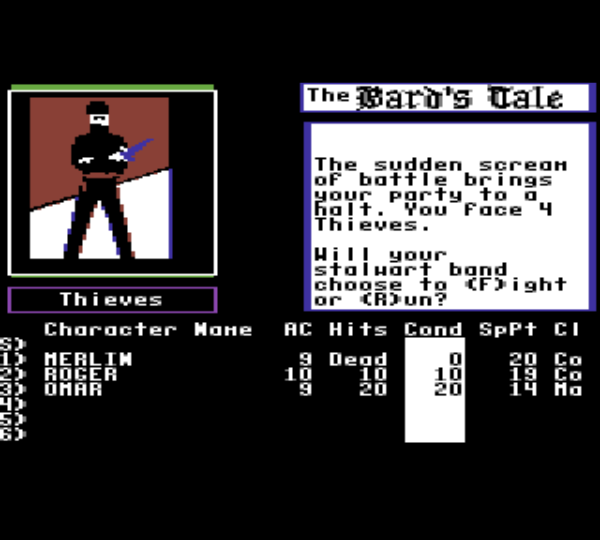
The Party Wipe? The Bard’s Tale on the Commodore 64 is not a game that believes in safety nets. A bad roll, an unlucky encounter combination, or one overconfident push into an unexplored corridor can see your entire party erased with brutal and completely unapologetic finality. Rebuilding from scratch – re-rolling characters, re-buying equipment, re-learning which corridors nearly killed you last time – is a genuinely exhausting prospect. The menu-heavy interface hasn’t aged as gracefully as the underlying game, constant random encounters can wear you down during longer sessions, and the game provides almost no guidance beyond the manual, which you’d better have kept.
Graphics: Pixelated Fantasy with Grit
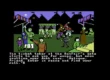
The Bard’s Tale on the Commodore 64 uses the machine’s strengths with real intelligence. Dungeon corridors are stark and claustrophobic – stone textures, flickering torchlight, and the permanent sense that something unpleasant is around the next corner. It’s functional rather than decorative, and that suits the grim tone perfectly.
Enemy encounter portraits are the visual highlight – large, detailed, and giving each monster genuine presence on screen. From scuttling spiders to genuinely intimidating horrors deeper in the dungeons, the designs stick in the memory long after the session ends. Skara Brae has a cold, muted look that sells the feeling of a town under siege rather than a cosy starting hub, and that atmosphere does more for the game’s tension than any flashier presentation could have managed.
Sound: A Bard’s Tune That Lingers
The SID chip handles The Bard’s Tale on the Commodore 64 with its usual authoritative swagger. The bard’s songs are the audio centrepiece – each one distinct, each one memorable, and collectively they become the game’s musical identity in a way that’s hard to separate from the experience itself.
Combat sound effects give weight to the proceedings – clashing steel, spell blasts landing with conviction, monsters announcing themselves with appropriate menace. Musical variety does thin out during longer dungeon sessions and the repetition can grate, but the atmosphere the audio creates in the early hours is genuinely effective. Sparse and purposeful rather than bombastic, which is exactly right for a game built on tension and dread.
Replayability: A Quest Worth Another Pint
The Bard’s Tale on the Commodore 64 has natural replay value built into its foundations. Different party compositions – heavy on warriors, or betting everything on spellcasters, or building around the bard’s song abilities – produce dramatically different experiences of the same dungeon.
Hidden secrets, powerful equipment buried deep in levels most players never reach, and the sheer number of ways a run can go wrong all conspire to keep pulling you back. It’s not an easy game to love, and it will test your patience on a fairly regular basis. But for those who embrace what it’s asking for, there’s a deeply satisfying loop underneath all the brutality – and the moment a well-built party clears a floor that destroyed you last week is one of the more quietly triumphant feelings the C64 has to offer.
The Retro Looney Verdict
The Bard’s Tale on the Commodore 64 is a proper old-school RPG that earns every bit of the respect it still commands forty years on. It expects planning, patience, careful resource management, and the occasional deep breath after losing a party you’d spent hours carefully building. It offers nothing by way of apology when things go wrong and absolutely everything by way of satisfaction when they go right.
This Bard’s Tale C64 classic is not a game you pick up for twenty minutes before bed. It’s a proper sit-down adventure – notepad nearby, manual within reach, and ideally a cup of tea at hand for the moments when the dungeon decides it’s had enough of you. For retro RPG fans it remains a rite of passage that still hits hard. Load it up, roll a fresh party, choose your bard wisely, and try not to take the inevitable first party wipe personally.
Don’t forget to check out my other Commodore 64 Reviews!

Media