System: Commodore 64
Release date: 1985
Post Contents:
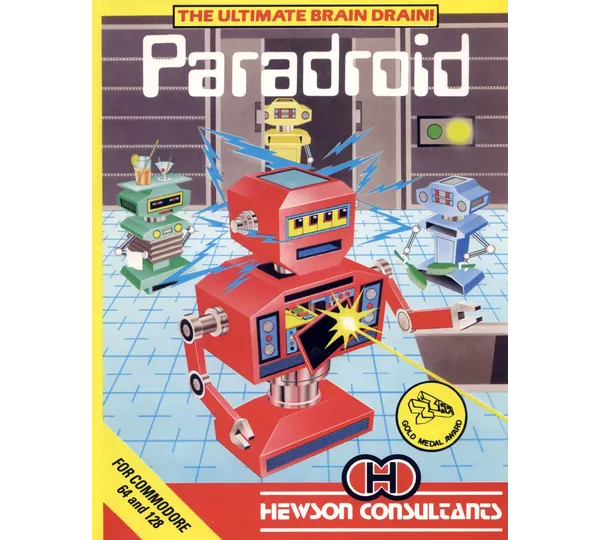
ToggleParadroid C64 is the game that said ‘what if the best weapon on a spaceship was a bigger robot that you borrowed from the enemy?’
Andrew Braybrook designed it at Graftgold, Hewson published it in 1985, and it puts you in the shiny shell of the Influence Device, droid 001, a prototype that can take over other robots. The ship’s cargo of robots has turned against the crew, so you have to work your way through the decks, neutralise the lot and rescue the humans. It is part shoot ’em up, part puzzle and part hostile takeover. In 2026, does Paradroid C64 still compute, or has it blown a fuse?
Gameplay: Link, Shoot, and Take Over
You start as the weakest droid on the ship, which is a bit like turning up to a gunfight with a feather duster. The trick is to link with another droid and take it over, which destroys the one you were using. Every droid has a three-digit number that roughly tells you how powerful it is, and there are 24 types, so the aim is to climb the ranks and get your hands on something nastier than the thing chasing you.
The takeover itself is a little minigame of circuits and logic gates. Higher-numbered droids have more power supplies, but if you are clever with the gates and the timing, a lower-numbered droid can win. Once you are in, you can shoot, ride the lifts between the 20 decks and use the terminals for deck and ship maps and droid information. There are more than 400 screens to cross, so it never feels like a quick job.
The Self-Destruct? The trouble is that nothing you borrow lasts. A controlled droid blows itself up after a time limit, and the more powerful it is, the sooner it goes. That means a big, shiny, high-numbered droid is a short-lived treat, and a failed takeover can leave you with nothing but 001 and a feeling of regret. Learn the logic gates, plan your next droid and do not get too attached.
Graphics: Clean Lines and Tidy Decks
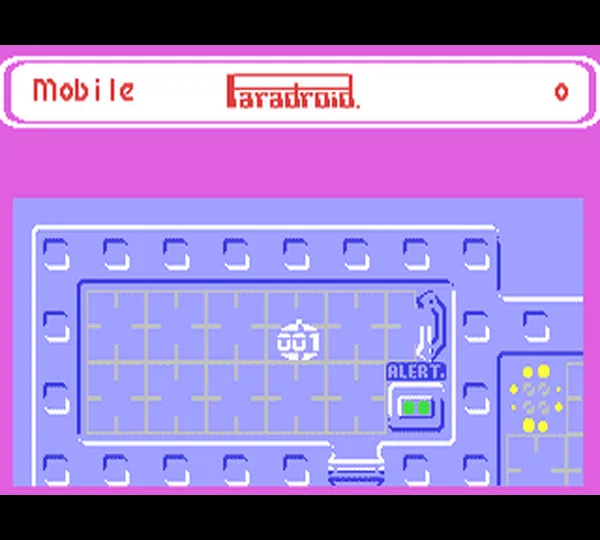
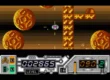
This is a neat, tidy-looking game. The ship is shown from above, the rooms, doors and lifts are clearly drawn, and each droid is a small, readable shape with its number displayed on it, which is exactly what you need when a dozen robots are after you. It is built for clarity, not for beauty.
Today it looks plain, and there is no denying that the colours are on the sober side. But everything is easy to read, nothing gets in the way and the whole thing has a certain industrial charm, like a spaceship designed by someone who values tidy filing. It is not pretty, but it works.
Sound: Quiet Menace in the Corridors
The sound does its job without making a fuss. The music and effects are simple and functional, which suits a ship full of rogue robots.
I would not say it is the part of Paradroid that will stay with you, and it is not a soundtrack for the ages. But it never gets annoying, and when you are watching a borrowed droid’s clock tick away, you want the background to be quiet and out of your way.
Replayability: A Ship That Never Ends
This is one of the great strengths of the game. With 20 decks and more than 400 screens, there is a lot to explore, and the C64 version never truly ends. Clear the eighth ship and you go back to the last one, now crawling with higher-ranking droids, so it keeps asking more of you.
It is a game for the long haul, and it rewards planning and nerve. If you enjoy working out which droid to take over next, you will be coming back for weeks. If you want a quick blast and a happy ending, it may be a bit relentless.
The Retro Looney Verdict
Paradroid C64 is smart, tense and wonderfully original, a shoot ’em up that makes you think before you pull the trigger. The takeover minigame is brilliant, the droid ladder is addictive and the ship is a joy to fight your way through.
Yes, the self-destruct timer is cruel, and the graphics are plain. The pressure is real. None of that spoils the pleasure of snatching a mighty droid out of the enemy’s hands. Link up, take over, and mind the clock.
Don’t forget to check out my other Commodore 64 Reviews!

Media