
If you grew up gaming in the 80s or 90s, Easter wasn’t a “content update”. It was a glorious scheduling error.
No school, too much chocolate, and just enough adult supervision to stop you putting a Creme Egg in the console. Unlike Christmas, there was no pressure. No big presents to justify. No relatives asking how much that console cost. Just time, sugar, and the satisfying click of plastic cartridges.
You didn’t plan Easter gaming sessions. They just happened. Someone went for a nap, someone else was peeling potatoes, and suddenly you were three levels deep into something you hadn’t touched since last summer.
It’s why retro games and Easter get on so well. They’re both low-key, comforting, and slightly messy. A perfect match of mild chaos and pure nostalgia.
And let’s be honest, nothing beats booting up an old favourite while the rest of the house is half-asleep on chocolate. No online leaderboards. No battle passes. Just you, a slightly sticky controller, and the quiet joy of getting further than you did as a kid. Easter gaming was never about being the best. It was about having the best time.
Those lazy bank holiday afternoons created some of the strongest gaming memories we still talk about today. Whether you were grinding through a tough level in Super Mario World, exploring Skara Brae in Ultima IV, or just messing about in Home Alone on the Game Gear, Easter gave you the rare gift of uninterrupted playtime. No one was rushing you. The only deadline was how long the chocolate lasted.
So this Easter, do yourself a favour. Dig out an old console, fire up a classic, and let the nostalgia hit. Because some traditions are worth keeping – especially the ones that come with extra lives and zero responsibilities.
Springtime Pixels: Why Retro Games Feel Right at Easter
Retro games have a habit of accidentally matching the seasons. Bright colours, cheerful worlds, and soundtracks that feel like sunshine through cheap speakers.
Even games that had nothing to do with Easter suddenly felt appropriate when everything on screen was colourful and upbeat.
Platformers in particular come into their own during Easter. Short levels, instant action, and no penalty for playing badly because you are hopped up on sugar and mild regret.
You could play for ten minutes or two hours and neither would feel wrong.
Modern games demand commitment. Retro games just ask if you fancy a go. That is why Easter gaming in the old days felt so relaxed – and why replaying those games now still works so brilliantly.
And let us be honest, nothing beats booting up an old favourite while the rest of the house is half-asleep on chocolate. No online leaderboards. No battle passes. Just you, a slightly sticky controller, and the quiet joy of getting further than you did as a kid.
Easter gaming was never about being the best. It was about having the best time.
Retro Games That Feel Easter‑Ready: Three That Just Fit
Bugs Bunny Crazy Castle (NES)
This is the obvious one, and rightly so. Rabbits, bright colours, and a gentle pace that does not judge you for missing jumps because your hands are sticky. Bugs Bunny Crazy Castle is calm, silly, and perfect for Easter afternoon gaming.
It is not about reflexes or twitch reactions. It is about patience, timing, and not getting flattened while you work out what is going on. Ideal when everyone else is arguing about who hid the good chocolate.
Yoshi’s Island (SNES)
Soft colours, storybook visuals, eggs absolutely everywhere. Yoshi’s Island looks like Easter threw up inside a cartridge. It feels warm, welcoming, and weirdly relaxing even when things get tricky.
It is also perfect dip-in gaming. One level, controller down, back later. No punishment, no stress, just joy. This is comfort gaming before we started calling it that.
Jazz Jackrabbit (PC)
A hyperactive green rabbit blasting through vibrant worlds might not scream Easter officially, but the energy fits perfectly. Jazz Jackrabbit is colourful, loud, and gloriously 90s.
It is fast enough to feel exciting, but playful enough to suit a holiday where nothing really matters. Except maybe finding where you hid your last egg.
Easter Eggs in Games: The Best Kind of Surprise
The gaming term Easter egg came from a time when developers hid secrets simply because they could. No achievements popped. No trophy notifications. You either found something, or you did not.
Retro Easter eggs encouraged curiosity. Try something weird. Go somewhere you are clearly not meant to. Press buttons that probably will not work. Every now and then, something happened – and that moment stuck with you.
Without internet spoilers, rumours flourished. Your mate’s mate had definitely unlocked something mad. Half of them were nonsense. The other half were real. Both were brilliant.
Top 3 Retro Gaming Easter Eggs: The Proper Classics
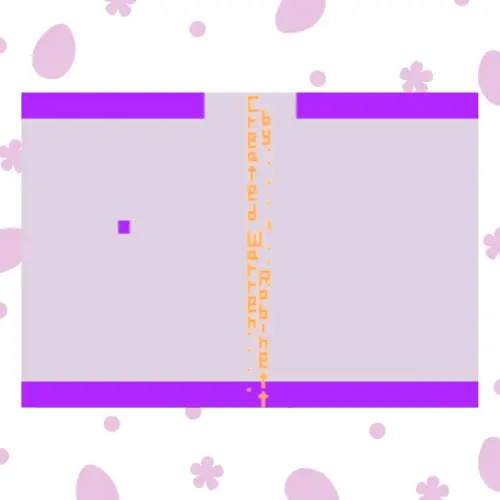
Adventure (Atari 2600)
The granddaddy of Easter eggs. Adventure hid the name of developer Warren Robinett in a secret room, a rebellious act at the time when developers were not credited.
This single moment gave gaming its term and proved hidden content could be more exciting than anything on the box.
Maniac Mansion (C64)
This game practically lived off secrets. Hidden jokes, strange interactions, and moments where the game clearly knew you were poking around.
It rewarded curiosity rather than skill, which is why discovering something felt personal – like you were not supposed to see it.
DOOM (PC)
Secret rooms, ridiculous placements, and developer humour hidden behind fake walls. DOOM turned exploration into a reward system all its own.
Finding a secret did not just feel clever – it felt earned.
Final Thoughts: Wash Your Hands Before Playing
Easter gaming was never about completing something. It was about comfort, colour, and curiosity. Retro games thrived in that space, and they still do.
So this Easter, dig out a classic, play for half an hour, get distracted, come back later. That is how these games were meant to be enjoyed.
Just remember – chocolate fingerprints on cartridges are forever.