
System: Commodore 64
Release date: 1988
Post Contents:
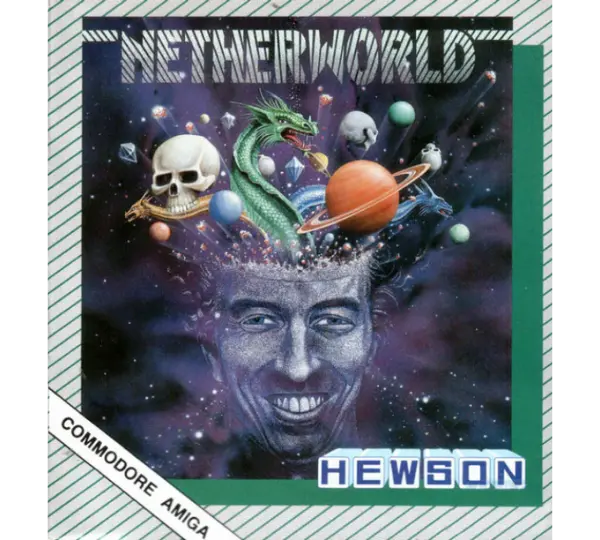
ToggleNetherworld on the Commodore 64 is the game that Hewson Consultants built when they decided scrolling shooters weren’t quite weird enough yet.
This Netherworld title drops you into a surreal alien underworld bristling with bizarre creatures, strange organic architecture, and the kind of psychedelic enemy design that suggests the development team had some very interesting evenings. You pilot a small craft through increasingly hostile caverns, blasting anything that moves and collecting power-ups that keep you alive long enough to see what nightmare awaits around the next corner. In 2026, does this Netherworld C64 cult shooter still pack a punch, or has it finally retreated into the dark?
Gameplay: Into the Dark, Guns First
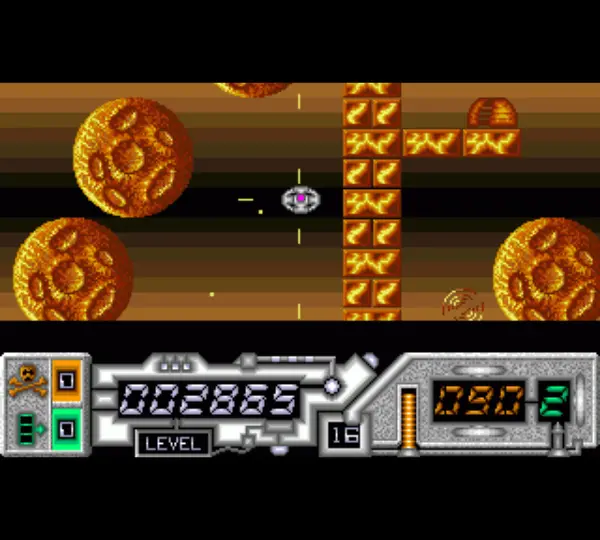
Netherworld is a vertically and horizontally scrolling shoot-em-up that puts you in a cavern system teeming with relentless alien life. The craft handles crisply – movement is tight, shooting is responsive, and the controls hold up well by any era’s standards. Enemies arrive in waves from multiple directions and the screen fills quickly at higher difficulty levels, demanding constant threat assessment and precise fire rather than spray-and-pray tactics.
Power-ups scattered through the levels upgrade your firepower, speed, and defensive options, and managing these carefully makes a genuine difference to survival prospects in the later sections. The cave environment gives the game a claustrophobic energy that open-space shooters don’t achieve – walls that kill on contact, tight corridors that funnel enemies toward you, and passages that demand navigation as much as combat.
The visual design of the enemies is one of Netherworld’s genuine distinguishing features – organic, unsettling, and unlike the more conventional alien fare of many C64 contemporaries. Something is clearly alive down here and it is not happy about your visit.
The Swarm? Netherworld is genuinely demanding in ways that can tip into unforgiving. Enemy density in the later levels reaches a point where survival feels more like controlled chaos than skilled play, and the hit detection occasionally produces deaths that feel less earned than arbitrary. Lives are limited, the difficulty escalates sharply, and without a continue system a bad run means starting the whole thing over from scratch. The cave walls are as lethal as the enemies throughout, and the combination of navigation demands and combat pressure can produce frustration that the game’s otherwise excellent shooting doesn’t quite compensate for.
Graphics: Organic Nightmare, Beautifully Rendered
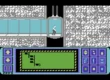
Netherworld looks genuinely impressive for 1988 C64 hardware. The cave environments are detailed and atmospheric – dark, organic, and convincingly alien in a way that most shooters of the era didn’t bother attempting. Enemy designs are the standout visual achievement: strange biological creatures rendered with enough detail to feel genuinely unsettling rather than simply threatening.
The scrolling is smooth throughout, sprite collision is well-managed even when the screen fills, and the colour palette leans into murky greens and purples that reinforce the subterranean atmosphere brilliantly. It holds up as a piece of 8-bit art direction that was clearly made by people who cared about how it looked.
Sound: The SID Chip Goes Underground
The SID chip does excellent work throughout. The main theme is driving and urgent – exactly what a shooter needs to establish pace – and the in-game music maintains tension without ever becoming repetitive enough to tune out. Hewson understood how to use the C64’s audio hardware and Netherworld benefits from that expertise throughout.
Sound effects are punchy and purposeful – weapon fire has satisfying crack, enemy deaths register cleanly, and the audio feedback from power-up collection gives each pickup a small but distinct moment of satisfaction. A well-judged audio package that keeps the energy up across the whole experience.
Replayability: One More Run Into the Dark
The arcade-style structure gives Netherworld natural replay value for players who connect with the shooting. Improving survival time, pushing further into the cave system, and mastering the power-up management system all provide clear progression goals that don’t require new content to remain meaningful.
The difficulty and the lack of a continue system mean that significant improvement between runs is genuinely satisfying rather than simply incremental, and the enemy variety across the cave sections ensures the experience doesn’t collapse into repetition quickly. Short, punchy sessions or longer attempts at pushing deeper – it suits both.
The Retro Looney Verdict
Netherworld is one of Hewson’s finest C64 moments – a shooter that distinguishes itself through visual imagination, tight controls, and an atmosphere that most of its contemporaries simply didn’t attempt. The cave environment, the organic enemy design, and the claustrophobic pressure of fighting through tight corridors combine into something with genuine personality rather than just competent execution.
The difficulty is real and the lack of continues will end promising runs at the worst moments. Neither of those things diminishes what this Netherworld C64 shooter achieves – a properly atmospheric, properly demanding, and properly brilliant piece of C64 shooting that deserves more recognition than cult status alone provides. Load it up, fly carefully, and mind what’s on the walls.
Don’t forget to check out my other Commodore 64 Reviews!

Media