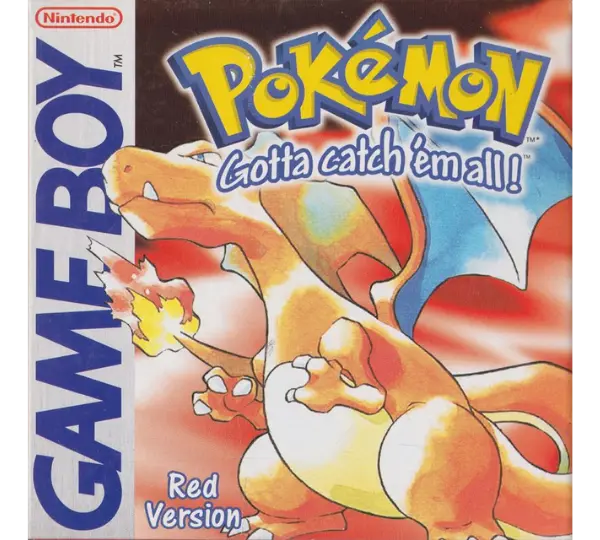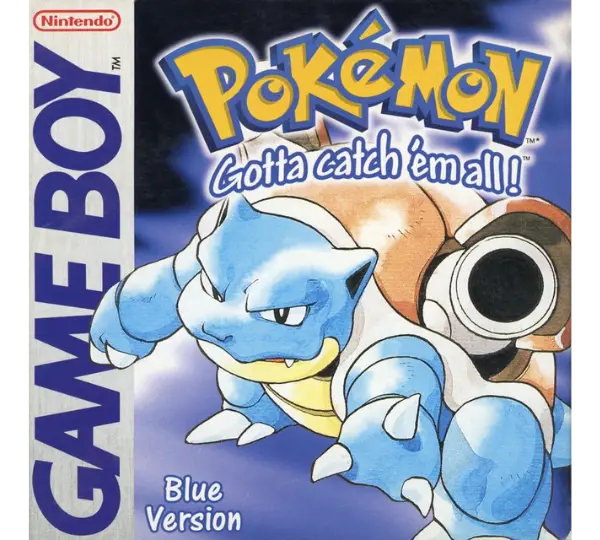

System: Nintendo Game Boy
Release date: 1991
Post Contents:
TogglePokemon Red and Blue on the Game Boy didn’t just launch a franchise – they quietly colonised an entire generation’s childhood and never gave it back.
This Pokemon Red and Blue Game Boy classic handed you a Pokedex, pointed you vaguely south from Pallet Town, and left you to it. No waypoints, no quest markers, no hand-holding tutorial that runs for forty-five minutes before you’re allowed to play properly. Just a world full of creatures to catch, trainers to beat, and a rival who nicks his starter before you even get yours. The absolute nerve of him. In 2025, does this Pokemon Red and Blue Game Boy adventure still hold up, or has time finally caught up with the very first Pokemon?
Gameplay: One Badge at a Time
Pokemon Red and Blue on the Game Boy drop you into the Kanto region with a single starter Pokemon and the increasingly ambitious goal of catching all 151. The turn-based battle system is simple on the surface – pick a move, watch the numbers – but starts revealing genuine depth the moment you think seriously about type matchups, stat spreads, status conditions and move coverage.
The world opens up gradually as you collect Gym badges, unlock HM moves and push deeper into routes, caves and cities that each have their own distinct feel. Mount Moon, the Safari Zone, the Silph Co. skyscraper – the map is compact but stuffed with things to find, trainers to battle and Pokemon to hunt. Trading via the link cable was genuinely revolutionary and remains the proper way to fill the Pokedex without resorting to shenanigans.
The Tall Grass Grind? Pokemon Red and Blue on the Game Boy have not aged entirely gracefully and a lot of that comes down to pace. Random encounter rates in certain areas are relentless, HM moves eat into your moveslots with no acknowledgment that Cut is utterly useless in battle, and the complete absence of running shoes means every route takes roughly twice as long as it should. The Pokedex is also quietly brutal – version exclusives mean you need a friend with the opposite game and a link cable, or you’re simply not completing it. Some of the later routes feel sparse and repetitive, and the grind to keep your team levelled can drag when you’d rather just get on with the story.
Graphics: 151 Faces, All Monochrome
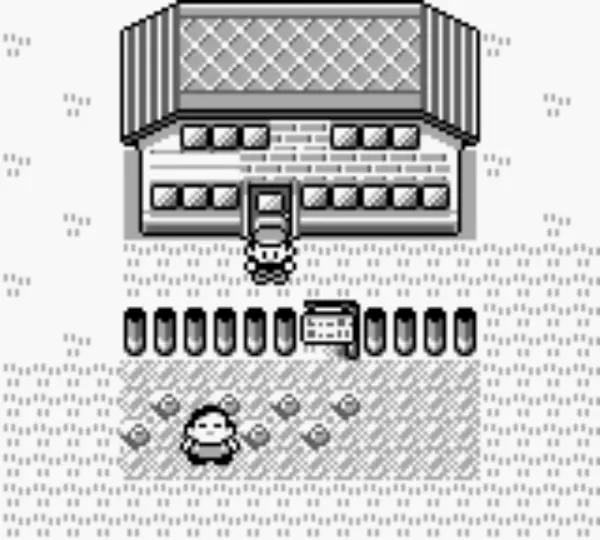
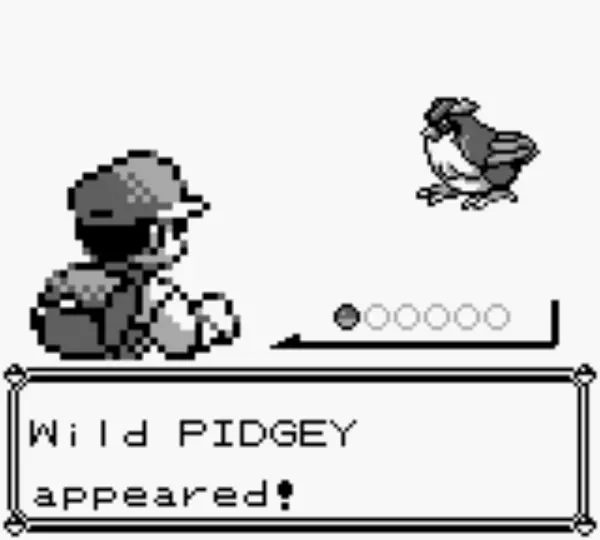
Pokemon Red and Blue on the Game Boy look exactly as charming as they need to. Every Pokemon has a distinct sprite with genuine character – Gengar’s smug grin, Snorlax’s magnificent indifference, Haunter floating about looking deeply pleased with itself. Towns and routes each have their own visual identity, from the cosy simplicity of Pallet Town to the busy sprawl of Celadon City.
Battle screens are clean and readable, the overworld is easy to navigate, and the whole thing has a warmth to it that’s impossible to manufacture deliberately. It just looks like Pokemon, and that’s enough.
Sound: Kanto Will Never Leave Your Head
The Pallet Town theme sounds like coming home even if you’ve never been there. The Gym Leader battle music has just enough urgency to make you sit up straight. Lavender Town’s unsettling melody has been discussed, theorised about and turned into internet folklore for thirty years. The Elite Four theme genuinely builds tension.
Composer Junichi Masuda created a soundtrack on a handheld with four sound channels and somehow produced music that lodges permanently in the brain of everyone who’s heard it. Pokemon cries are instantly recognisable. Sound effects land cleanly. The whole audio package punches several weight classes above where it should.
Replayability: Kanto Keeps Calling
Pokemon Red and Blue on the Game Boy have more replay value than most games ten times their size. A different starter completely reshapes the early game. Building a new team from scratch, trying a monotype run, attempting a Nuzlocke with brutal self-imposed rules – there are dozens of ways to approach Kanto and each one feels genuinely different.
The version differences and trading element mean Red and Blue are better experienced together than apart, and the social element of swapping Pokemon with a mate over a link cable is something no later quality-of-life update has fully replaced. Some things are just better in person.
The Retro Looney Verdict
Pokemon Red and Blue on the Game Boy are flawed, slow in places, occasionally baffling in their design choices, and completely impossible to stay away from. The random encounters are too frequent, the HM system is a menace, and the Elite Four will humble you at least once before you’re done.
None of that matters in the slightest. From the moment Professor Oak hands over that first Pokeball to the moment you wipe the floor with your smug rival at the top of Victory Road, this Pokemon Red and Blue Game Boy adventure is one of the most purely absorbing adventures ever put on a handheld. The game that started everything, and it’s still absolutely worth every step through the tall grass. Get back to Kanto.
Don’t forget to check out my other Game Boy Reviews!

Media