
System: 3DO
Release date: 1994
Post Contents:
ToggleThe Horde on the 3DO is the game that looked at tower defence and hack-and-slash action, decided neither was silly enough on its own, and smashed them together with the subtlety of a very large sword called Grimthwacker.
This The Horde title puts you in the lanky boots of Chauncey, a former cow herder elevated to accidental knighthood by a king with questionable judgement and an ongoing monster problem. Your job is to build a prosperous village during the day and then personally defend it from waves of gibbering hordlings at night, armed primarily with enthusiasm and the aforementioned enormous sword. In 2025, does this The Horde 3DO mash-up still deliver the goods, or has the horde finally gone off the boil?
Gameplay: Build, Bash, and Banish
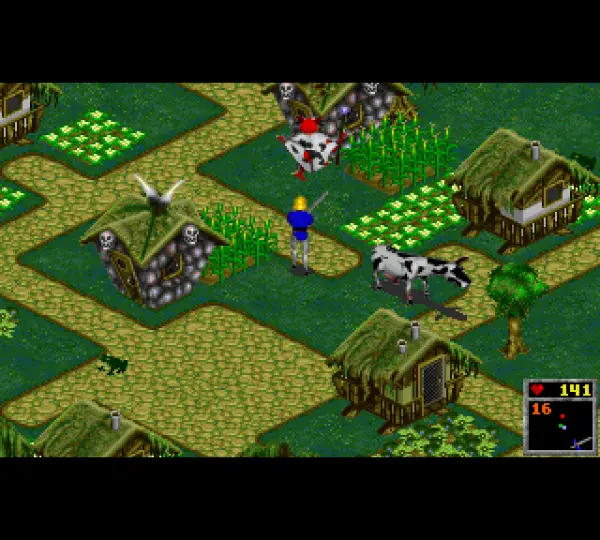
The Horde on the 3DO splits neatly into two complementary phases that together create something genuinely greater than the sum of their parts. Daytime is strategic – you’re in top-down planning mode, spending gold on farms, houses, walls, watchtowers, moats, and traps, trying to build a village that will survive whatever the night throws at it. Every gold piece is a decision and every structure placement has consequences you won’t fully understand until the hordlings arrive.
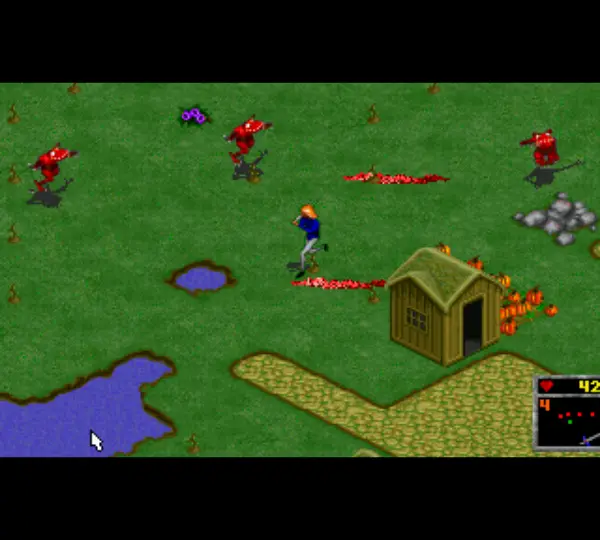
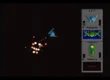
Then darkness falls and you drop directly into Chauncey’s boots for frantic third-person hack-and-slash carnage. Grimthwacker swings with satisfying weight, spells and bombs extend your combat options, and the 3DO controller handles the chaos surprisingly well. The hordlings swarm from multiple directions simultaneously and your job is to prioritise, protect, and survive long enough for dawn.
The loop is genuinely clever – good daytime planning makes the night manageable, and surviving the night funds better daytime planning. When it clicks, it’s enormously satisfying in a way that neither genre achieves quite as well in isolation.
The Swarm? The Horde on the 3DO has a difficulty curve that occasionally abandons curves entirely in favour of a vertical wall. The planning phase never feels quite long enough to properly optimise your defences before the hordlings arrive with entirely too much enthusiasm, and later levels escalate the wave intensity to the point where even a well-built village can be reduced to splinters in under a minute by a particularly aggressive assault. Cheap deaths happen – the kind where you can see exactly what went wrong but couldn’t have reacted in time regardless – and the occasional spike in difficulty feels less like a challenge and more like the game having a word with you about getting too comfortable.
Graphics: Monstrous Pixels with Bite
The Horde on the 3DO is an immediately charming-looking game that commits fully to its comedic identity. Chauncey’s lanky, floppy animations are packed with slapstick personality – the way he runs, stumbles, and swings his comically oversized sword communicates character in every frame.
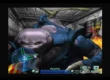
The hordlings themselves are the visual highlight – slimy, giggling little gremlins and lumbering brutes that ooze personality as they enthusiastically dismantle everything you spent the day carefully constructing. Environments are varied and detailed for 1994, the FMV cutscenes are magnificent 90s cheese delivered with complete commitment, and the whole visual package maintains its cartoony exuberance from first stage to last.
Sound: Grunts, Groans, and Grimthwacker
The Horde on the 3DO nails its audio tone completely and never lets go. Peaceful village music during the planning phase – cheerful, pastoral, giving you false confidence about how the next few minutes are going to go – gives way without warning to pounding rock riffs the moment the hordlings appear, and the tonal shift is perfect every single time.
Sound effects do enormous work throughout. Wet slobbering from the monsters, villagers expressing their displeasure in increasingly panicked tones, Grimthwacker connecting with something that absolutely deserved it, explosions, death squeals – all of it adds to the beautifully controlled chaos. The FMV voice acting is magnificently hammy in a way that only 90s full-motion video could produce, and it’s all the better for it.
Replayability: Waves of Replayable Mayhem
The Horde on the 3DO has genuine replay depth built into its foundations. Twenty stages, multiple difficulty settings, and an enormous variety of possible village configurations mean no two playthroughs need look remotely alike. Experimenting with different trap layouts, defensive structures, and night-time combat approaches gives players real strategic latitude that rewards returning with fresh thinking.
The build-and-bash loop is the kind that produces “just one more stage” with alarming reliability, and earlier levels become genuinely enjoyable once you’ve developed the instincts that the harder stages demanded. Great for short sessions and equally dangerous in longer ones.
The Retro Looney Verdict
The Horde on the 3DO is a brilliantly bonkers genre hybrid that absolutely should not work as well as it does – and yet here we are, thirty years later, still thoroughly entertained by a floppy-limbed ex-cow herder defending his village with a sword the size of a wardrobe. The build-and-bash loop is genuinely clever, the presentation commits fully to its own daftness, and the satisfaction of a well-planned village surviving a brutal night assault is the kind of feeling that keeps pulling you back for one more attempt.
Yes, the difficulty spikes occasionally and the planning phase always ends about thirty seconds before you’re ready. That’s this The Horde 3DO game keeping you honest and it mostly works. A genuine 3DO cult classic that deserves far more love than it typically gets. Grab Grimthwacker, build something worth defending, and try not to get too attached to the farms.
Don’t forget to check out my other 3DO Reviews!

Media