
System: Sega Game Gear
Release date: December 1991
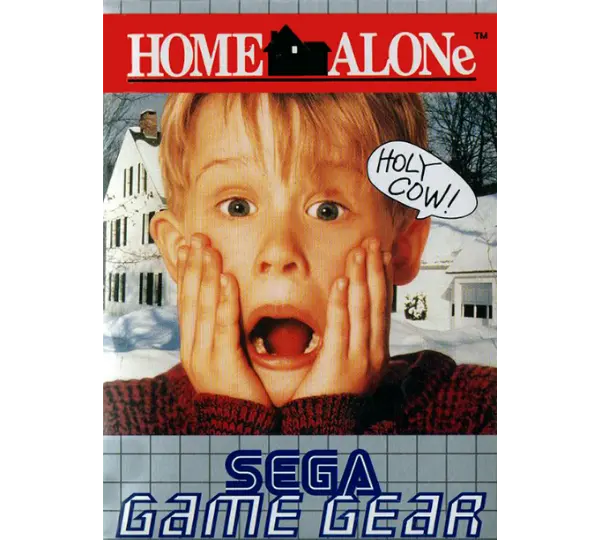
Defend the McCallister mansion wherever you roam with Home Alone on the Game Gear, the December 1991 handheld adaptation of the hit holiday film that turns pint-sized menace Kevin McCallister into a one-kid security system. Tasked with keeping the bumbling Wet Bandits at bay, this portable platformer trades cinematic polish for frantic trap-setting chaos across multiple floors of the famous house. But in 2025, does this mini mischief-maker still deliver festive fun, or does it trip over its own toy cars? Time to rig the traps and find out.
Gameplay: Trap, Dash, and Outsmart the Bandits
Home Alone on the Game Gear drops you straight into Kevin’s slippers with one clear goal: survive until the timer runs down. Harry and Marv are on the hunt, and it’s up to you to buy time by collecting everyday household items and turning them into slapstick weapons of defence. Glue puddles, ice slicks, slingshots, marbles, and other improvised traps litter the house, waiting to be gathered and deployed at just the right moment.
Kevin can run, jump, and crouch as he darts between rooms and staircases, but movement is deliberately limited, forcing you to plan routes carefully. Traps must be dropped in specific locations, rewarding players who learn enemy movement patterns and anticipate where the Wet Bandits are heading next. Each successful trap triggers a brief stun, accompanied by a suitably cartoonish animation of bandit pain.
The game constantly pressures you with a ticking clock. You are never truly safe, and standing still quickly leads to capture. This creates a frantic rhythm where you are always racing ahead of the bandits, improvising strategies on the fly and hoping you collected the right trap at the right time.
The banana-peel slip? Kevin’s movement can feel stiff, especially on slopes and stair transitions, which is not ideal for such a fast-paced setup. Enemy AI is aggressive and relentless, meaning one wrong turn can trap you in a corner with no escape. Trap placement can also feel finicky, and missing a drop often leads to immediate punishment. Still, despite the frustration, the blend of timed pressure and defensive planning captures the spirit of the movie surprisingly well.
Graphics: Festive Pixels with Handheld Charm
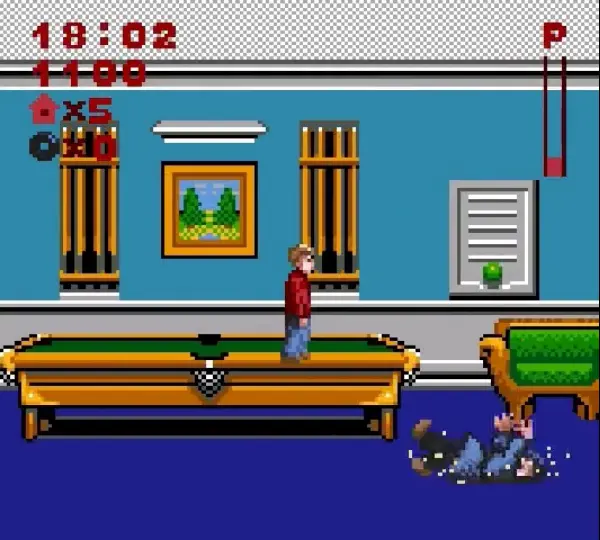
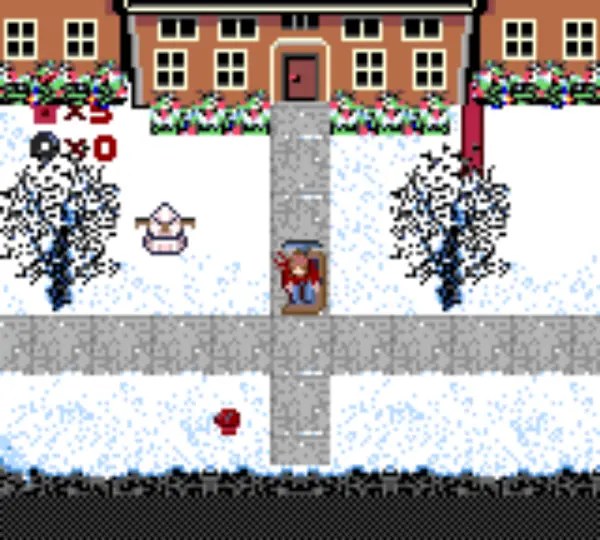
For a Game Gear title, Home Alone looks bright and appealing. The colour screen gives it a clear advantage over monochrome handhelds, and the cheerful palette suits the film’s slapstick tone. Kevin’s sprite is small but expressive, bouncing and flailing with enough personality to sell his panic and determination.
Harry and Marv are instantly recognisable despite their chunky sprites, complete with exaggerated pain animations whenever a trap connects. Each area of the McCallister house feels distinct, from cluttered living rooms to shadowy basements and icy attics. Decorations, furniture, and environmental details add festive flair, even if the limited resolution sometimes makes rooms feel cramped.
Despite occasional visual clutter when both bandits are on screen, the game maintains strong readability. Traps, doors, and pathways remain easy to identify, ensuring chaos never tips into confusion.
Sound: Jingles, Beeps, and Bandit Bonks
The audio leans into cheerful mischief rather than cinematic drama. Light chiptunes play in the background, echoing the feel of holiday jingles with a distinctly early-90s handheld twist. The melodies are upbeat and playful, keeping tension light even as danger ramps up.
Sound effects are where the game shines. Slingshot twangs, glue splats, icy slips, and bandit yelps all land with satisfying comedic punch. Each successful trap feels rewarding thanks to clear and immediate audio feedback. While loops can become repetitive during extended sessions, the overall soundscape matches the slapstick nature of the film nicely.
Replayability: Short, Silly, and Seasonal
Home Alone offers modest replay value built around quick, arcade-style sessions. Multiple difficulty settings increase the aggressiveness of the bandits, forcing sharper planning and tighter movement. Experimenting with different trap orders or routes through the house gives returning players new challenges to master.
That said, the limited number of areas and core mechanics mean long-term appeal is fairly modest. Once you’ve seen all the traps and learned the bandits’ behaviour, the experience becomes familiar. This is a game best enjoyed in short bursts, ideally during a seasonal nostalgia session rather than a prolonged campaign.
The Retro Looney Verdict
Home Alone on the Game Gear is a light-hearted, trap-setting dash through a beloved movie world. Its simple mechanics, colourful visuals, and slapstick charm make it enjoyable for a quick festive fix, even if clunky controls, stiff movement, and repetitive structure stop it from reaching true classic status. In 2025, it stands as a fun stocking-filler of a game – best enjoyed with a smile, a short attention span, and zero expectations of perfection.