
System: Sinclair ZX Spectrum
Release date: 1987
Post Contents:
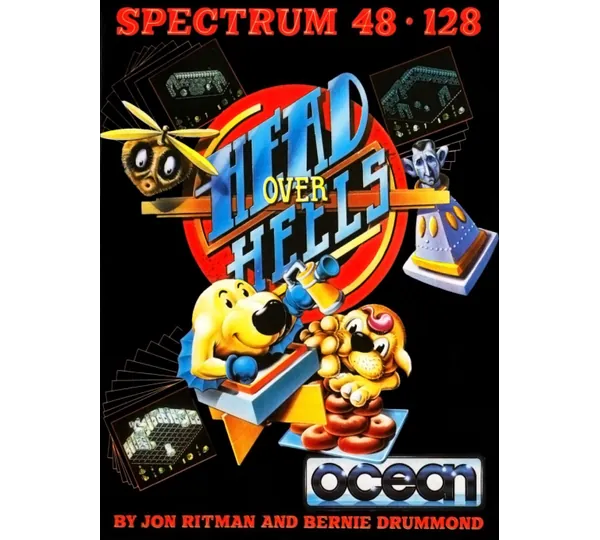
ToggleHead Over Heels Spectrum is the game that asked ‘what if your hero was two half-heroes, and neither of them could do the job alone?’
Ocean released it in 1987, with Jon Ritman doing the programming and Bernie Drummond the art, and it sends two spies from the planet Freedom to the Blacktooth Empire to free four enslaved worlds. Head and Heels are captured and split up, so you have to escape the castle, reunite and recover the stolen crowns, one isometric room at a time. In 2026, does Head Over Heels Spectrum still turn heads, or has it been left on its heels?
Gameplay: Jump, Carry, and Combine
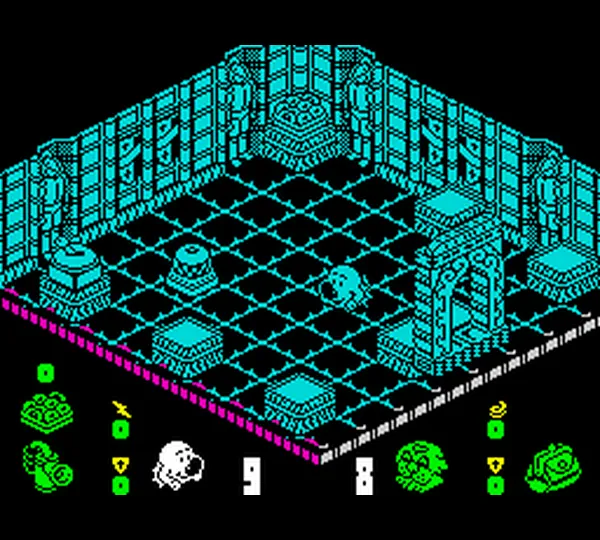
Each character does something the other cannot. Head jumps higher, can steer in mid-air and fires doughnuts from a hooter to paralyse enemies, while Heels runs twice as fast, climbs staircases that Head cannot manage and carries objects in a bag. You switch between them as you explore, and the puzzle is working out who goes where.
The best moment is when they finally come together. After roughly the first sixth of the game, their abilities become complementary, and the whole thing opens up into more than 300 rooms across Castle Blacktooth, the market, Moonbase and the four planets of Penitentiary, Safari, Book World and Egyptus. It is a huge, sprawling puzzle, and there is a lot of satisfaction in working it out.
The Missed Jump? The trouble is that the isometric view makes judging a leap a lot harder than it looks. The depth is hard to read, a slightly wrong angle sends you off the edge, and in a game with 300-odd rooms, a mistake can mean a long walk back. You will also lose track of where you are, and a map would not have gone amiss. Take it slowly, and keep a pencil handy.
Graphics: Isometric and Gloriously Odd
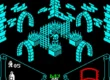
On a Spectrum this was a technical triumph. Ritman reused the isometric engine he built for Batman and stretched it to handle two characters, and the rooms are solid, detailed and crisp, even with the famous colour-clash limits. You could fill a whole afternoon just wandering from room to room and admiring the view.
The art is the real joy. Drummond filled the rooms with surreal touches, including robots with Prince Charles’s head on a Dalek body, elephant-headed enemies and staircases made of dogs that teleport away when Head walks in. It is daft, inventive and very British, and it still looks wonderful, in a gloriously odd way.
Sound: Beeps with Personality
The sound is what you would expect from the Spectrum, with simple tunes and beeper effects that rely on character rather than power. Guy Stevens is credited with the music, and it keeps the surreal setting company.
The effects are small and functional. They will not blow you away, but they keep the game ticking over, and I would not say it is the reason to play. It is the quirky pictures and clever puzzles that do the talking.
Replayability: A Blacktooth Worth Revisiting
This is a big game, and there is plenty to chew on. With more than 300 rooms, four enslaved worlds and a crown to find on each one, a single playthrough can take a long time, and working out the best route is half the fun. You will find yourself drawing maps on the back of an envelope.
It rewards patience, and it rewards coming back after a break with fresh eyes. If you like thinking your way through a game, it will keep you busy for weeks. If you like action at a gallop, it might frustrate more than it delights.
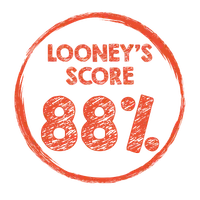
The Retro Looney Verdict
Head Over Heels Spectrum is clever, charming and gloriously strange, a huge isometric puzzle that gets better the longer you stay with it. The two heroes are a joy, the rooms are packed with ideas and the art is a treat for the eyes.
Yes, the jumps are tricky, and getting lost in Blacktooth is a real hazard. The learning curve is real. None of that spoils the thrill of putting Head and Heels together and watching the whole world open up. Keep the pencil sharp, mind the Dalek, and give the dog stairs a wide berth.
Don’t forget to check out my other ZX Spectrum Reviews!
Media