System: Commodore Amiga
Release date: 1989
Post Contents:
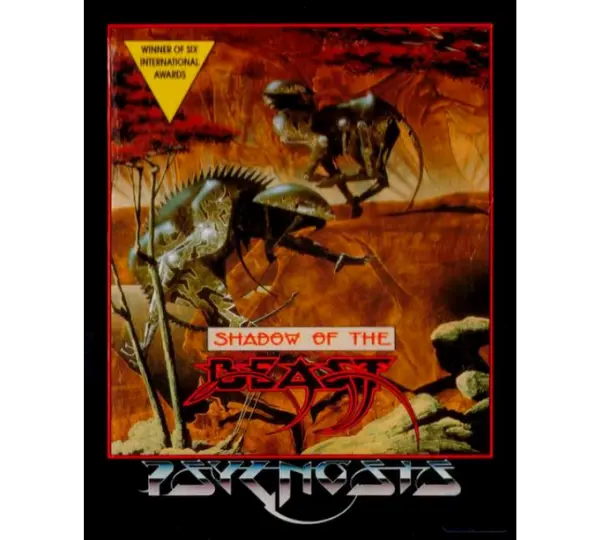
ToggleShadow of the Beast on the Commodore Amiga is the game that made every Amiga owner’s mate come round just to watch the parallax scrolling, whether or not anyone actually intended to play it.
This Shadow of the Beast title from Psygnosis wasn’t really trying to be a great game so much as a technical statement, and thirty-five years on it’s remembered almost entirely for exactly that. You play Aarbron, a man transformed into a beast as a child and now hunting down the sorcerer responsible, hacking and leaping your way through a genuinely gorgeous, genuinely brutal side-scroller. In 2026, does this Shadow of the Beast Amiga classic still cast that spell, or was it always more demo disc than proper game?
Gameplay: Punch, Leap, and Pray
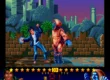
Shadow of the Beast on the Commodore Amiga is a side-scrolling action game built around simple combat, precise platforming, and an atmosphere so thick you can practically smell the dungeon damp. Aarbron punches, kicks, and jumps his way through a single sprawling world, taking down monstrous enemies and solving the occasional environmental puzzle along the way.
Combat is deliberately weighty rather than flashy – timing your strikes properly matters more than button-mashing, and enemies hit back hard enough that carelessness is punished quickly. The world design leans heavily into atmosphere over signposting, trusting you to explore, memorise, and gradually piece together the correct path forward.
The One Life Curse? Shadow of the Beast on the Commodore Amiga is notoriously unforgiving in a way that’s aged badly rather than well. There is no continue system in the original release, meaning a single death anywhere in the game sends you right back to the start, regardless of how far you’d progressed. Combined with cheap enemy placements, unclear routes forward, and combat that can turn against you in an instant, it’s the kind of difficulty that feels more like punishment than challenge by modern standards. It’s genuinely one of the most infamous “great to look at, miserable to actually finish” games of the era.
Graphics: The Reason Everyone Remembers It
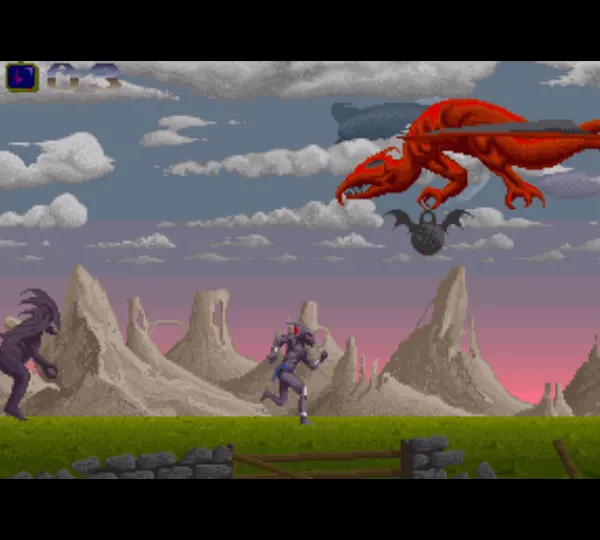
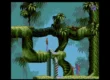
Shadow of the Beast on the Commodore Amiga remains a genuine landmark of 16-bit visual design. The multi-layer parallax scrolling was a proper jaw-dropper on release – foreground, midground and background all moving independently to create a sense of depth that most contemporaries couldn’t get close to.
The world itself is dark, painterly, and dripping with atmosphere – twisted forests, gothic ruins, and nightmarish creature designs that still hold real visual power decades later. Aarbron’s animation is chunky but expressive, and the whole thing looks like a proper piece of Psygnosis art direction rather than a functional platformer.
Sound: Moody Synths and Genuine Dread
The soundtrack on Shadow of the Beast on the Commodore Amiga is properly atmospheric – moody, synth-driven compositions that suit the grim fantasy setting perfectly, building genuine tension as you creep deeper into hostile territory.
Sound effects are sparse but purposeful – impacts land with weight, enemy cries carry real menace, and the overall audio package reinforces the sense that this world genuinely wants you dead. It’s restrained in exactly the right way for the tone the game is going for.
Replayability: A Beast Worth Studying
Shadow of the Beast on the Commodore Amiga rewards the specific kind of player who enjoys memorising a punishing world through repeated attempts. Learning enemy placements, finding the correct route, and slowly chipping away at a game that offers you almost nothing in the way of guidance is its own strange, demanding pleasure.
It’s not a game most people return to for fun exactly – it’s one people return to out of stubbornness, nostalgia, and the desire to finally beat something that beat them thoroughly the first time round.
The Retro Looney Verdict
Shadow of the Beast on the Commodore Amiga is a genuine piece of Amiga history – a game that mattered enormously for what it demonstrated the hardware could do, even if the actual experience of playing it hasn’t aged nearly as gracefully as the visuals that made it famous.
The one-life structure and unforgiving difficulty will test anyone’s patience hard, and by modern standards it can feel more like punishment than proper challenge. None of that changes the fact that this Shadow of the Beast Amiga classic remains a landmark of 16-bit art direction and a genuine piece of gaming history worth experiencing at least once. Load it up, admire the scrolling, and try not to take the first fifty deaths personally.
Don’t forget to check out my other Amiga Reviews!

Media