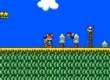

System: Sega Master System
Release date: 1986
Post Contents:
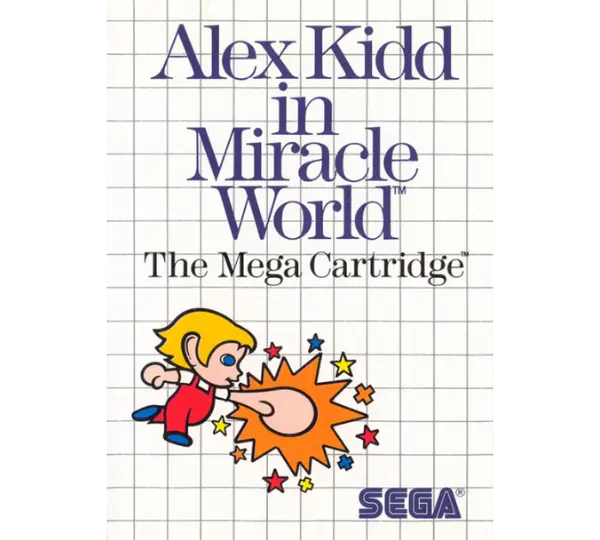
ToggleAlex Kidd in Miracle World on the Sega Master System is a charming and characterful platformer that still brings a smile nearly forty years later. This Alex Kidd in Miracle World on the Sega Master System title gave Sega its first real mascot hero. As the big-eared, fist-swinging Alex Kidd, you’re tasked with saving the land of Miracle World from the evil King Radaxian. In 2026, does this Alex Kidd Master System oddball still hold up as a fun romp, or has time finally caught up with our big-eared mate?
Gameplay: Punch, Platform, and Play Rock Paper Scissors
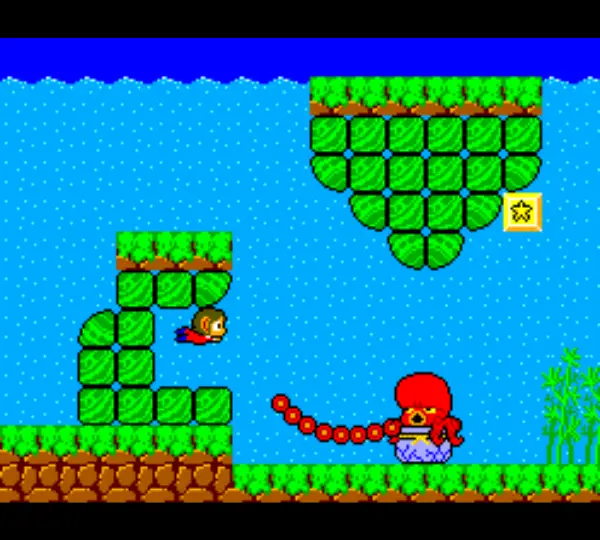
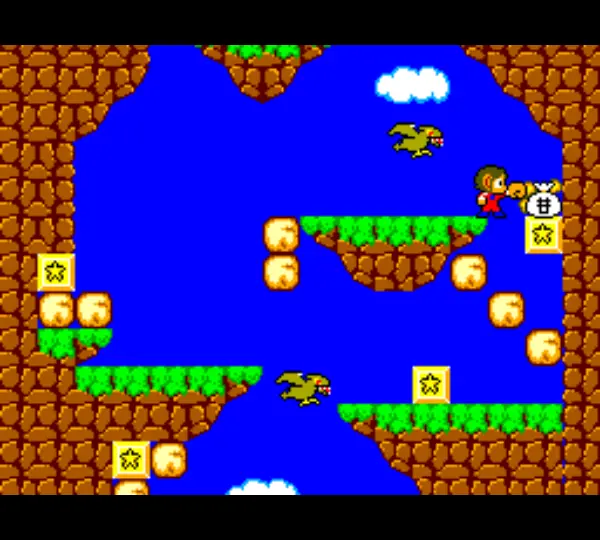
Alex Kidd in Miracle World on the Sega Master System is a side-scrolling platformer with a few quirks that make it stand out. You guide Alex through forests, mountains, caves and underwater sections. You punch enemies and breakable blocks to progress.
Unlike Mario, Alex doesn’t jump on heads. He throws a short-range punch instead. This gives the game a distinct close-quarters feel. Along the way you’ll collect coins to spend in shops on useful items.
You can buy power-ups, health restorers and even vehicles like a motorbike or speedboat. These vehicle sections add a nice bit of variety to the standard platforming.
The paper over the rock? It’s the one bit that still winds people up today. Getting to a tough boss only to lose because the game decided to throw scissors when you needed rock can feel incredibly cheap. Combined with some instant-death hazards and the occasional fiddly section, it can turn a fun run into a frustrating one rather quickly in this Alex Kidd in Miracle World on the Sega Master System release.
Still, when you’re flying through the levels, smashing blocks and collecting goodies, it’s hard not to crack a smile.
Graphics: Bright Colours and Bold Character
For 1986, Alex Kidd in Miracle World on the Sega Master System looks cracking. The colours are bright and punchy. Alex himself has loads of personality. Those massive ears and chunky animations give him real cartoon charm.
Levels are nicely varied too. Enemies are memorable and bosses are pleasingly large. While it’s clearly limited hardware, everything is clear and colourful. This Alex Kidd Master System title remains an inviting game to pick up and play even now.
Sound: Catchy Tunes with Sega Swagger
The music is properly upbeat and catchy. Each area has its own theme. They suit the adventurous feel nicely. Sound effects are solid too. Punches land with a satisfying thump. Blocks smash nicely.
It’s not the most complex audio on the system, but it fits the game perfectly. This Alex Kidd in Miracle World on the Sega Master System title still sounds cheerful today.
Replayability: A World Worth Revisiting
There’s decent reason to come back to this Alex Kidd in Miracle World on the Sega Master System title. Learning the best routes and finding all the hidden shops gives you plenty to improve on.
Once you know where the good power-ups are, runs become much smoother. It’s short enough for a quick playthrough but satisfying enough that many people still return to it for nostalgia’s sake.
The Retro Looney Verdict
Alex Kidd in Miracle World on the Sega Master System is a charming and characterful platformer that still brings a smile nearly forty years later. Its colourful worlds, fun vehicle sections and big-eared hero give it a personality that’s hard not to like.
Yeah, the rock-paper-scissors bosses can be annoying. Some bits feel a bit rough by modern standards. But that’s all part of its 8-bit charm.
This Alex Kidd Master System classic deserves its place in the Master System hall of fame. It still holds up as a fun romp with plenty of personality. From the satisfying punching to the inventive vehicle sections and memorable bosses, it remains one of the more distinctive platformers of the era. Definitely worth a few rounds in 2026.
Don’t forget to check out my other Master System Reviews!

Media